
Why Does the Skin on Your Neck Start to Look Crepey?
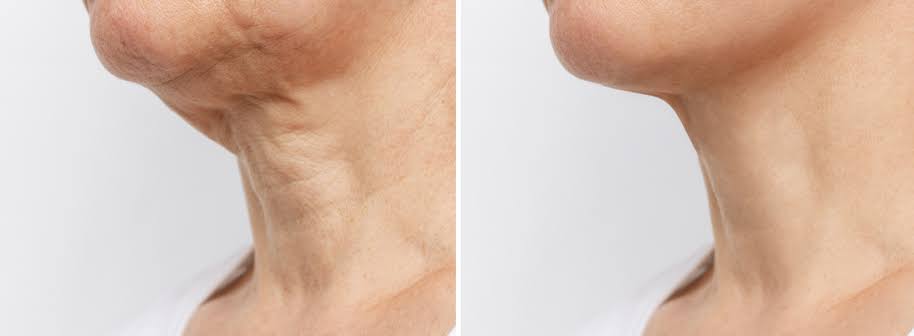
Have you noticed that the skin around your neck looks thinner, more lined or less firm than it used to?
Perhaps you’ve started seeing fine wrinkles when you turn your head, or the skin beneath your chin seems a little looser.
These changes are common as we get older, although they can appear at different ages.
You might hear people describe them as crepey neck skin or turkey neck. Both terms describe changes in the appearance and firmness of the skin around the neck.
The good news is that you can care for ageing neck skin with everything from everyday skincare to professional cosmetic treatments.
But not every approach works in the same way, and understanding what’s causing the changes is an important place to start.
In this guide, we’ll explore why neck skin changes, what you can realistically do at home and the non-surgical options you may want to discuss with a practitioner.
What Is Crepey Neck Skin?
Crepey skin gets its name from its resemblance to crepe paper.
It may look thin, finely wrinkled, or slightly crinkled, especially when the skin moves or stretches.
The neck is one area where these changes can become noticeable.
Unlike deeper wrinkles or loose folds of skin, a crepey appearance often involves changes in the skin’s surface texture.
Several things can contribute, including natural ageing, sun exposure and reduced skin elasticity.
Although crepey skin and turkey neck are sometimes used interchangeably, they aren’t the same.
What’s the Difference Between Crepey Skin and Turkey Neck?
Crepey skin generally describes fine lines and a thin, crinkled texture.
Turkey neck is a more informal term for loose or sagging skin beneath the chin and around the neck.
Some people experience both.
The distinction matters because changes in skin texture and significant skin laxity don’t necessarily respond to the same treatments.
A moisturiser, for example, may temporarily make dry, crepey skin look smoother, but it won’t remove excess skin.
Similarly, non-surgical cosmetic procedures cannot recreate the results of a surgical neck lift.
What Causes Crepey Skin and Loose Skin Around the Neck?
1. Natural changes in collagen and elastin
Collagen provides structure to the skin, while elastin helps it stretch and return to shape.
As we age, the skin’s structure changes, and the production and organisation of these proteins can alter.
Over time, this may contribute to fine lines, reduced elasticity and a less firm appearance.
2. Sun exposure
Years of ultraviolet (UV) exposure can affect the skin’s supporting structures.
The neck and upper chest are particularly easy to overlook when applying sunscreen.
Repeated sun exposure can contribute to wrinkles, pigmentation changes and a crepey texture.
Protecting these areas from UV radiation is one of the most useful steps you can take to help limit further sun-related skin damage.
3. Changes in body weight
Weight changes can affect how skin sits around the neck and jawline.
After significant weight loss, some people notice that their skin doesn’t return to its previous position.
How much it changes depends on factors including age, genetics, skin elasticity and the amount of weight lost.
4. Genetics and skin type
Some people naturally develop visible lines or loose skin earlier than others.
Your inherited skin characteristics, facial structure and individual ageing patterns can all influence how your neck changes over time.
5. Hormonal changes
Hormonal changes, including those associated with menopause, can influence skin hydration, thickness and elasticity.
For some women, changes around the neck become more noticeable at this stage.
However, several factors influence ageing skin, and hormones are only one part of the picture.
Can You Improve the Appearance of Crepey Neck Skin at Home?
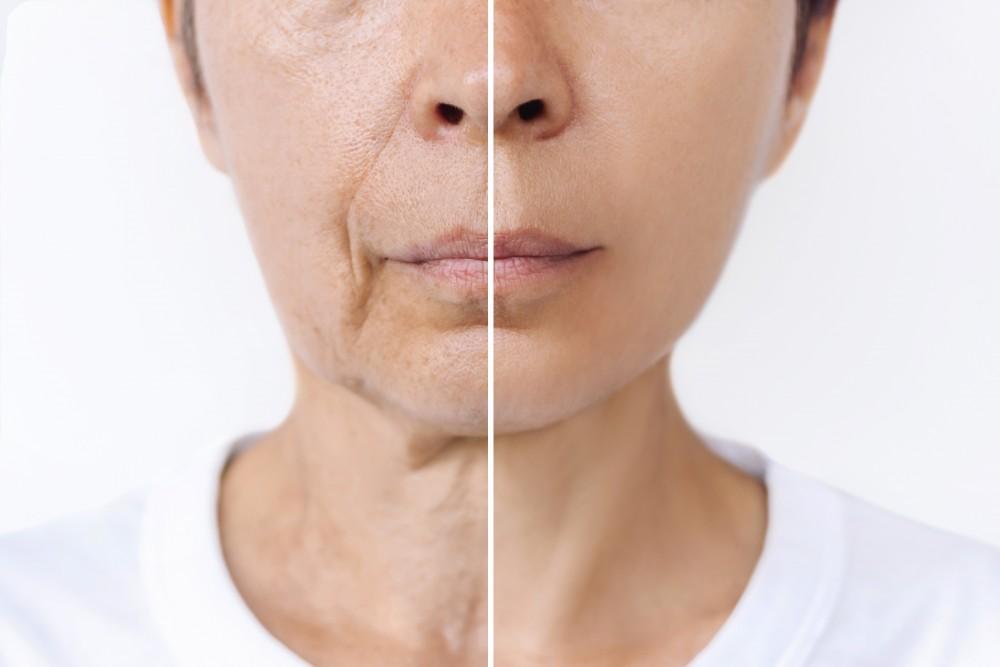
Consider these practical steps before exploring professional treatments.
They won’t eliminate significant loose skin, but they can support your everyday skincare routine.
Use moisturiser regularly
Dry skin can make fine lines and crepey texture more noticeable.
A moisturiser containing ingredients such as glycerin, ceramides or hyaluronic acid can help support hydration and improve the skin’s surface appearance.
The neck can be sensitive, so introduce new products carefully.
Protect your neck from the sun.
Use a broad-spectrum sunscreen with at least SPF 30 on exposed skin, including your neck and upper chest.
Reapply as directed, particularly when spending time outdoors.
Clothing and shade can provide additional protection.
Consider suitable skincare ingredients.
Some topical retinoids have evidence for improving certain signs of photoaging over time.
However, they can irritate and may not suit everyone.
Avoid retinoids during pregnancy, and anyone pregnant, breastfeeding, or has sensitive skin should seek appropriate advice before using active skincare ingredients.
Be realistic about neck exercises.
You may have seen facial yoga or neck exercises promoted as a way to tighten loose skin.
Although exercises can work the muscles in this area, reliable evidence that they remove excess neck skin or significantly reverse skin laxity is insufficient.
If you’re concerned about substantial sagging, skincare and exercises are unlikely to provide the same changes as surgery.
What Non-Surgical Treatments Are Available for Crepey Neck Skin?
Professional cosmetic treatments are another option.
The appropriate approach depends on whether your main concern is skin texture, fine lines, loose skin or a combination of these.
At LA LIPO, we offer selected mobile cosmetic treatments, including HIFU and RF Microneedling.
Neither treatment suits everyone, and results cannot be guaranteed.
HIFU for Neck Skin Concerns
High-Intensity Focused Ultrasound, usually shortened to HIFU, uses focused ultrasound energy to heat tissue at selected depths beneath the skin.
It is used in cosmetic practice for concerns relating to skin firmness and laxity.
The intention is to encourage a tissue response that may influence the skin’s appearance over time.
However, the extent of any visible improvement varies between individuals.
HIFU cannot remove substantial excess skin or reproduce the results of a surgical neck lift.
It also carries risks, including tenderness, swelling, temporary changes in sensation and, less commonly, burns or nerve-related complications.
Claims about the degree or duration of skin tightening need suitable clinical evidence for the equipment and treatment protocol used.
Find out more: HIFU Skin Tightening Treatment
RF Microneedling for Neck Skin Texture
RF Microneedling combines fine needles with radiofrequency energy delivered into the skin at controlled depths.
The procedure is designed to produce a tissue response associated with collagen remodelling.
It is used in cosmetic practice for concerns involving skin texture and firmness.
However, not everyone will experience visible tightening or reduced wrinkles.
Potential side effects include redness, swelling, tenderness and changes in pigmentation. Less common complications may include infection, scarring or burns.
The neck requires careful assessment because skin thickness and anatomy differ from other treatment areas.
Find out more: Collagen Lift Therapy – RF Microneedling.
Can HIFU and RF Microneedling Be Combined?
HIFU and RF Microneedling use different technologies.
HIFU delivers focused ultrasound energy without needles, while RF Microneedling uses needles to deliver radiofrequency energy into the skin.
Some cosmetic providers offer both treatments as part of a wider treatment plan.
Having HIFU and RF Microneedling together doesn’t necessarily lead to more noticeable or longer-lasting changes.
Before considering both treatments, consider your individual skin concerns, how much time to allow between appointments, and the potential risks involved.
Any suggested benefits of combining the two treatments should be backed by reliable clinical evidence, rather than assuming that two procedures will work better than one.
Read more: HIFU and RF Microneedling Together.
Can Non-Surgical Treatments Get Rid of Turkey Neck?
This depends on what you mean by turkey neck and what’s causing the appearance.
If you’re concerned about mild changes in skin texture or firmness, a practitioner may discuss non-surgical cosmetic options with you.
However, HIFU or RF microneedling can’t reliably remove significant loose or hanging skin.
For substantial excess skin, a surgical consultation may be more appropriate if you’re considering treatment.
It’s important to understand these differences before spending money on any cosmetic procedure.
A responsible consultation should explain not only what a treatment is intended to do, but also what it cannot achieve.
When Should You Seek Medical Advice About Changes to Your Neck?
Gradual changes in skin texture and firmness are commonly associated with ageing.
However, not every change around the neck is cosmetic.
Contact your GP if you notice a new or unexplained lump, persistent swelling, an unusual skin lesion or a change that develops rapidly.
A new or changing mole, unexplained bleeding or a persistent sore should also be medically assessed.
Cosmetic treatment should not replace an investigation of unexplained symptoms.
Considering Neck Skin Treatment With LA LIPO?
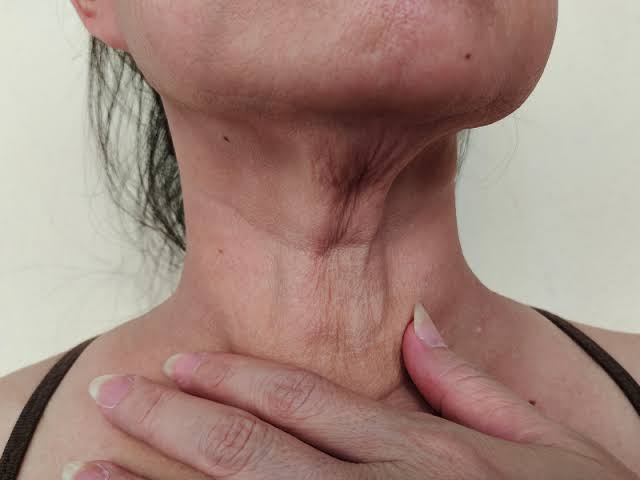
If you’ve been researching ways to improve the appearance of crepey skin or loose skin around your neck, you may be wondering whether a cosmetic treatment is worth exploring.
LA LIPO offers selected non-surgical treatments through a mobile service, with appointments available in suitable customers’ homes across selected UK locations.
We can discuss your concerns, explain how our treatments work and help you understand their limitations.
Before any treatment goes ahead, we need to consider relevant medical information, contraindications, and potential risks.
There is no obligation to proceed simply because you’ve enquired.
Interested in learning more?
Contact LA LIPO to discuss your neck skin concerns and find out whether a home consultation is available in your area.
Crepey Neck Skin and Turkey Neck FAQs
1. What causes crepey skin on the neck?
Crepey neck skin can develop due to natural ageing, sun exposure, changes in skin elasticity, and reduced hydration.
Genetics and hormonal changes may also contribute.
2. Can crepey neck skin be reversed?
Some aspects of the skin’s appearance, particularly dryness and fine surface lines, may improve with appropriate skincare.
However, skincare cannot fully reverse natural ageing or remove significant loose skin.
3. What’s the best treatment for turkey neck without surgery?
There isn’t one non-surgical treatment that suits everyone.
The best approach depends on whether you’re concerned about skin texture, mild laxity, or substantial excess skin.
Non-surgical treatments have limitations, and a consultation can help you understand the available options.
4. Does HIFU work on crepey neck skin?
HIFU is used for certain cosmetic skin-firmness concerns, but results vary.
Whether it produces a noticeable change depends on individual factors and the treatment used.
It cannot be relied upon to remove excess skin or achieve surgical lifting results.
5. Is RF Microneedling suitable for the neck?
RF Microneedling may be considered for certain neck skin concerns, depending on the individual’s skin and medical history.
The neck requires careful assessment, and not everyone will be suitable.
The procedure carries risks, including pigmentation changes, burns and scarring.
6. Can you tighten loose neck skin naturally?
Keeping your neck moisturised and using sunscreen regularly are good habits that can help you look after your skin as it ages.
You might also have come across neck exercises, facial massage or home remedies that promise firmer skin. While these are popular, there’s little reliable evidence that they can make a noticeable difference to loose or sagging neck skin, particularly when there’s significant skin laxity.
7. Does losing weight make turkey neck worse?
Some people notice more loose skin around the neck following significant weight loss.
This depends on skin elasticity, age, genetics and the amount of weight lost.
It doesn’t happen to everyone.
8. Can menopause cause crepey neck skin?
Hormonal changes around menopause can affect skin thickness, hydration and elasticity.
These changes may contribute to a crepey appearance, although sun exposure and natural ageing also play important roles.
9. How long do HIFU neck treatment results last?
There is no single duration that applies to everyone.
The extent and persistence of any changes depend on the individual, the equipment used and the treatment protocol.
Specific claims about how long results last should be supported by appropriate clinical evidence.
10. Is neck skin tightening painful?
Discomfort depends on the treatment, the area being treated and individual sensitivity.
HIFU may cause discomfort or tenderness, while RF Microneedling involves needles and heat within the skin.
Neither treatment is completely pain-free.
11. Can HIFU and RF Microneedling replace a neck lift?
No. These procedures do not remove substantial excess skin and cannot reproduce the results of a surgical neck lift.
Someone with significant skin laxity may wish to discuss surgical options with an appropriately qualified medical professional.
12. Can I have a neck skin consultation at home?
LA LIPO offers mobile cosmetic appointments in selected UK locations.
Contact our team with your location and the concerns you’d like to discuss. We can explain the available services and whether a home appointment may be appropriate.
Important: HIFU and RF Microneedling are cosmetic procedures with potential risks and limitations. Not everyone is suitable for treatment, and visible improvements cannot be guaranteed. Claims about treatment effectiveness, collagen remodelling or the duration of results must be supported by suitable evidence relevant to the equipment and treatment protocol used.
For Further Information, Please Call Us ON 03300 100 238